

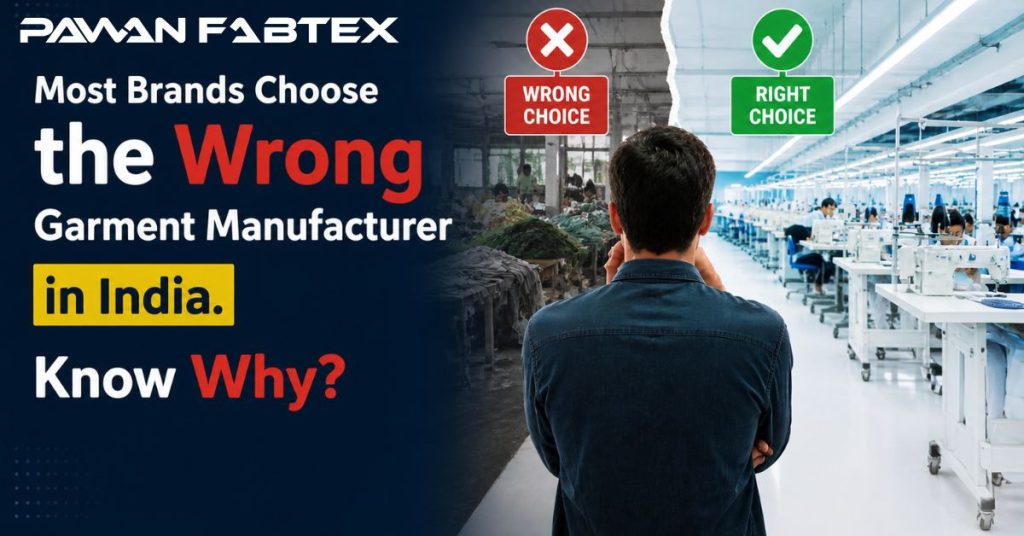
How do you choose the right garment manufacturer in India?
Choosing the right garment manufacturer in India comes down to more than just price or capacity. A reliable garment partner should be able to maintain consistent quality across bulk orders, offer flexibility in production quantities, and follow structured quality control processes. Manufacturers that combine technical expertise with clear communication and timely delivery tend to be the most dependable in the long run.
Why this decision matters more than most brands realize
Many brands focus heavily on design, marketing, and pricing but overlook manufacturing. In reality, your manufacturer directly affects product quality, delivery timelines, and customer satisfaction.
A poor choice can lead to:
- Inconsistent sizing or finishing in bulk orders
- Delays that affect your launch or inventory cycle
- Increased costs due to rework or rejected batches
On the other hand, working with a structured and experienced manufacturer like Pawan Fabtex allows brands to operate with more confidence. When production is stable, you can focus on scaling your business instead of fixing avoidable issues.
Why India Continues to Lead in Garment Manufacturing
India’s position in global garment manufacturing isn’t accidental, it’s built on a combination of resource availability, craftsmanship, and scalable infrastructure.
What makes India stand out:
- A strong base of natural fibers like cotton and blended fabrics
- Generations of skilled artisans and factory workers
- Competitive pricing compared to global markets
- Well-established export systems and compliance standards
What makes India particularly effective is that it supports the entire production cycle from sourcing fabric to final packaging within one ecosystem. This reduces dependency and improves coordination between different stages of manufacturing.
What Actually Defines a Reliable Garment Manufacturer
Not all manufacturers operate at the same level. The real difference shows up in how they manage process, quality, and consistency over time.
1. Structured Quality Control Systems
Quality is not something that can be fixed at the end, it has to be controlled at every stage.
Reliable Garment manufacturer follow a multi-step process:
- Raw Material Inspection (RMI)
Fabrics and trims are checked for defects, consistency, and durability before production begins. - In-Process Quality Control (IPQC)
During stitching and assembly, garments are continuously monitored to ensure alignment, stitch strength, and finishing accuracy. - Final Inspection (FI)
Finished garments are checked for size accuracy, overall appearance, and packaging readiness.
2. Production Flexibility and Scalability
A good Garment manufacturer doesn’t just produce, they grow with your business.
- Start small with 100–300 pieces
- Scale to thousands of units once demand increases
This flexibility is critical, especially for brands that are still testing products or entering new markets.
3. Fabric and Product Understanding
Manufacturers with strong fabric knowledge can guide better decisions.
For example, companies like Pawan Fabtex specialize in:
- Woven garments
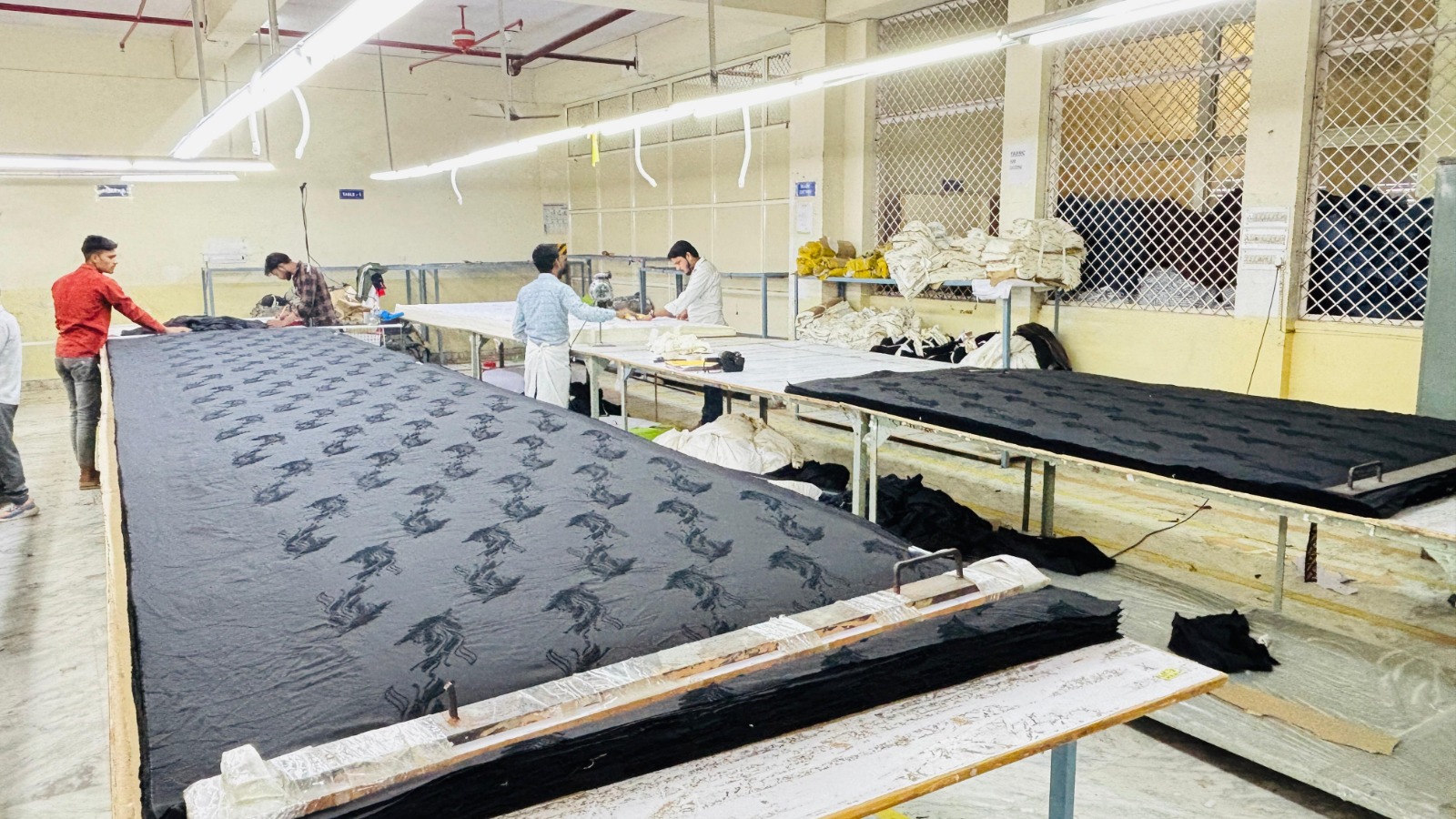
- Jacquard fabrics
- Structured apparel
These categories tend to perform better in terms of durability, finish, and export acceptance.
4. Technology Integration in Manufacturing
Modern Garment manufacturing is no longer manual-heavy, it is supported by technology that improves both efficiency and accuracy.
- CAD systems help in precise pattern development
- Automated cutting machines reduce fabric wastage
- ERP systems ensure smooth coordination across departments
5. Ethical and Responsible Production
Today’s brands are more conscious about how products are made.
Reliable Garment manufacturer follow:
- Fair labor practices
- Safe working conditions
- Compliance with industry standards
This is especially important for brands targeting international markets, where compliance is often mandatory.
How Pawan Fabtex Approaches Manufacturing
Understanding real processes helps you evaluate a manufacturer beyond marketing claims.
1. Fabric & Raw Material Control
The process begins with careful selection and inspection of raw materials.
- Fabric is tested for strength, shrinkage, and consistency
- Trims and accessories are verified before use
- Only approved materials enter production
2. Controlled Production Flow
Production is monitored at every stage:
- Cutting is done with precision tools
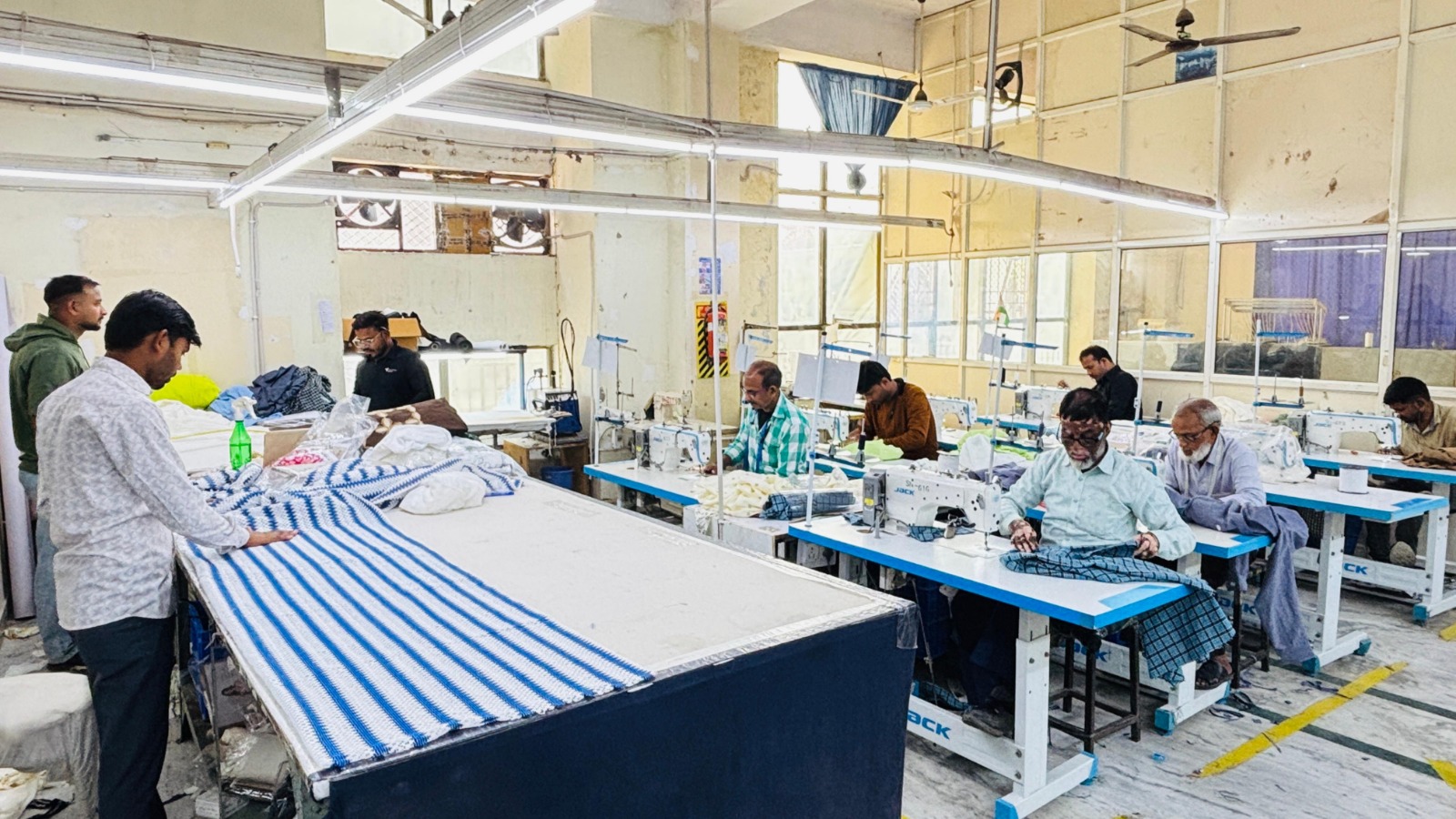
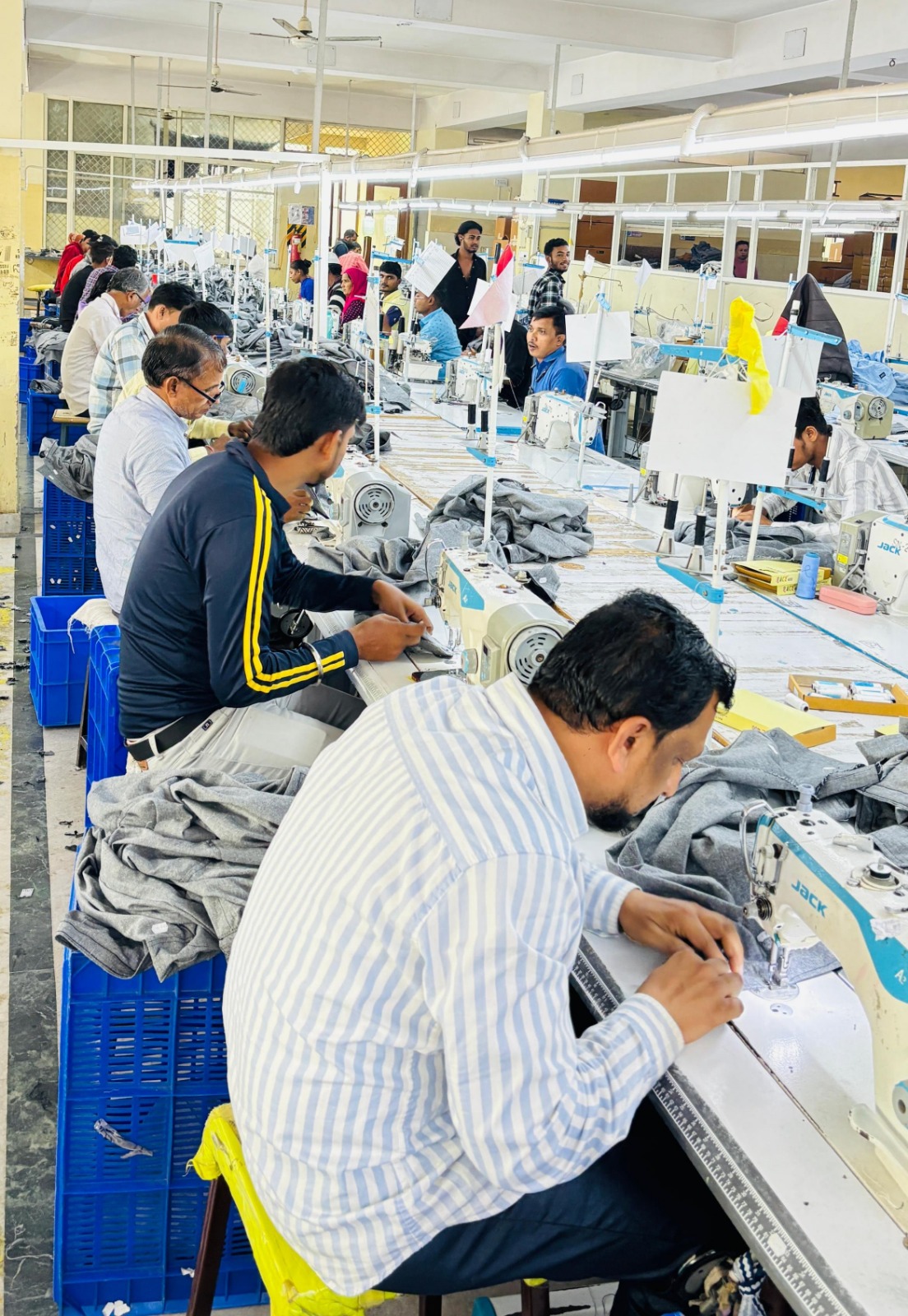
- Stitching quality is checked continuously
- Printing and finishing go through multiple inspections
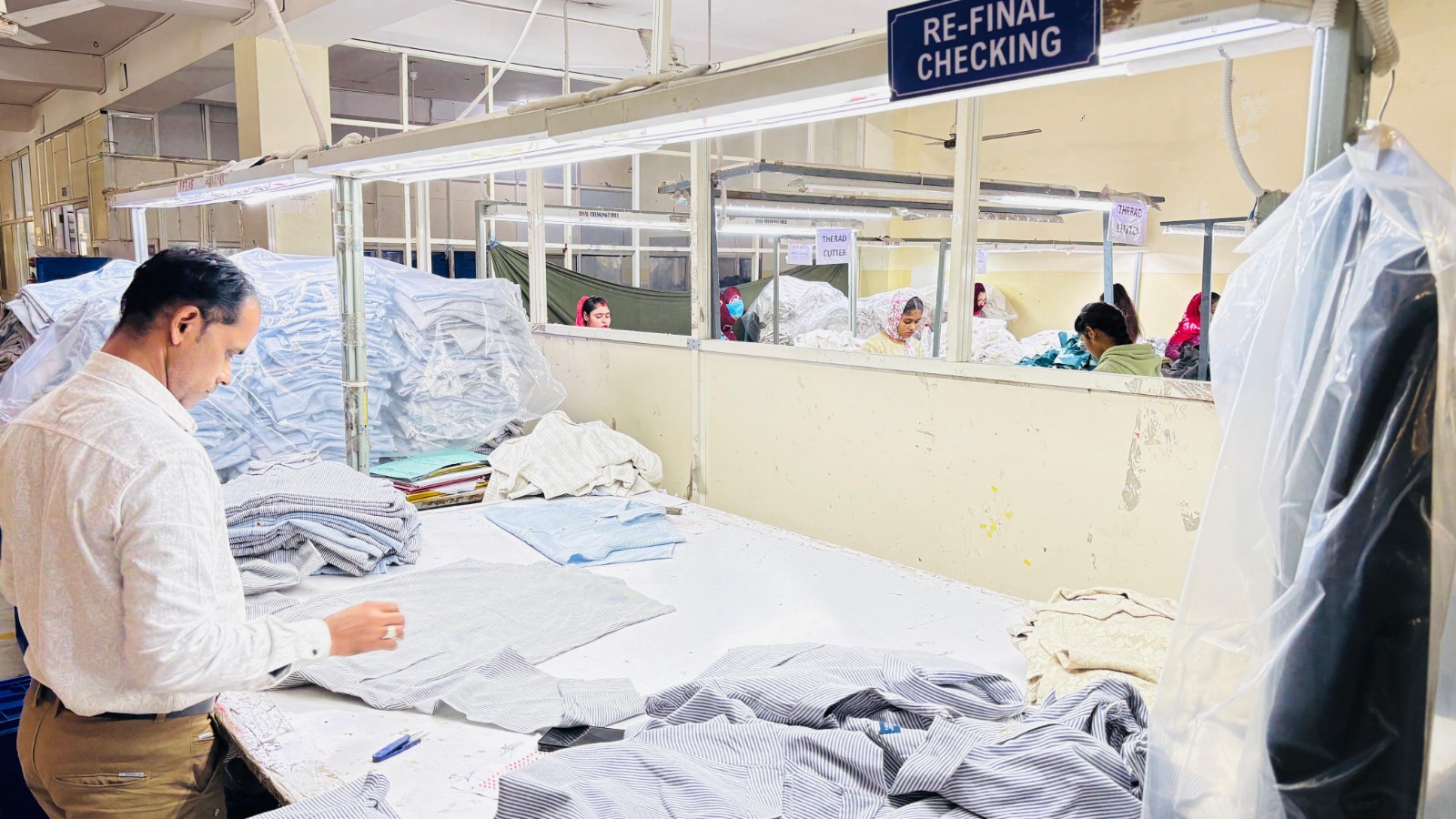
3. Final Quality Assurance
Before dispatch:
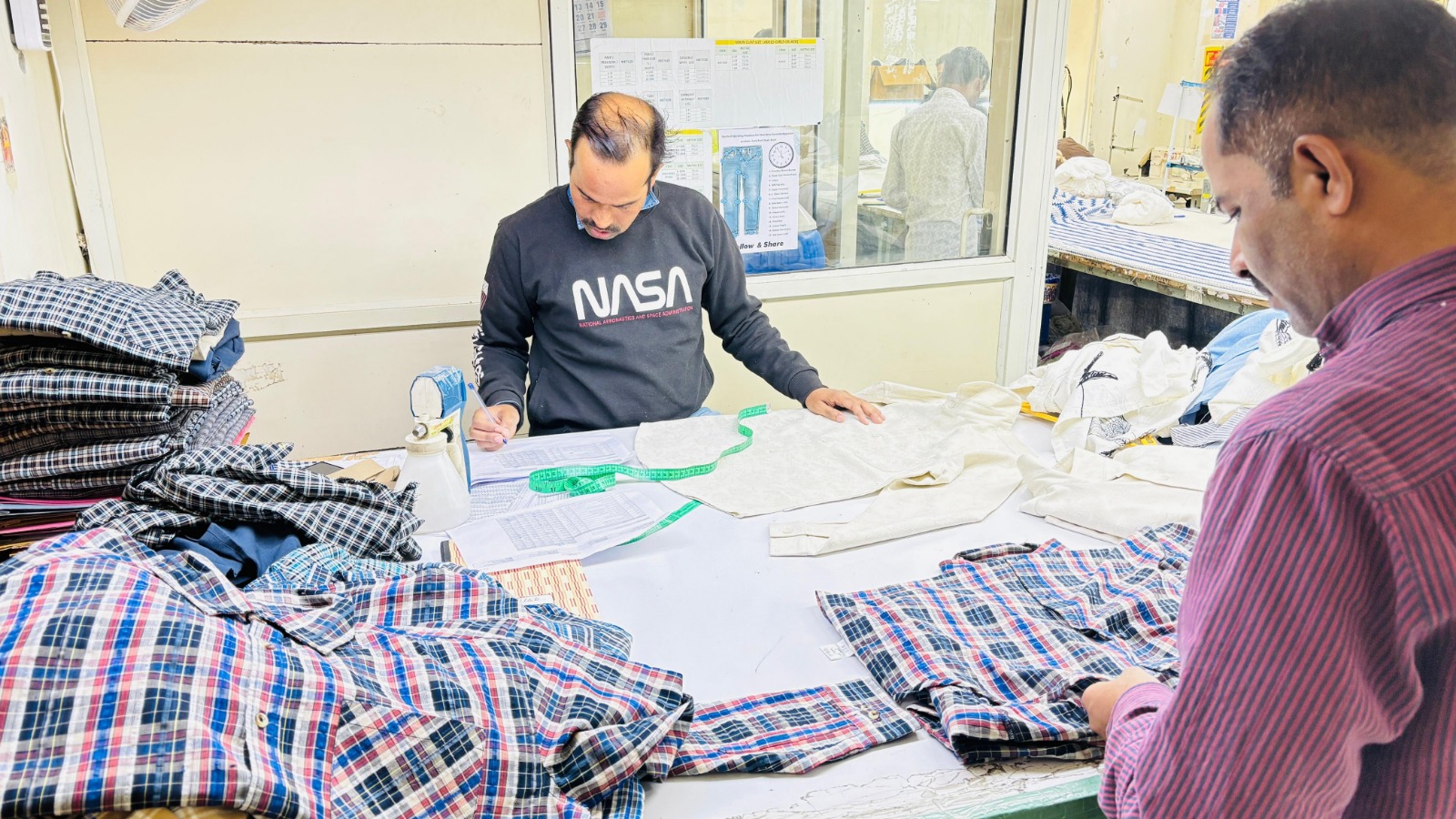
- Measurements are verified against specifications
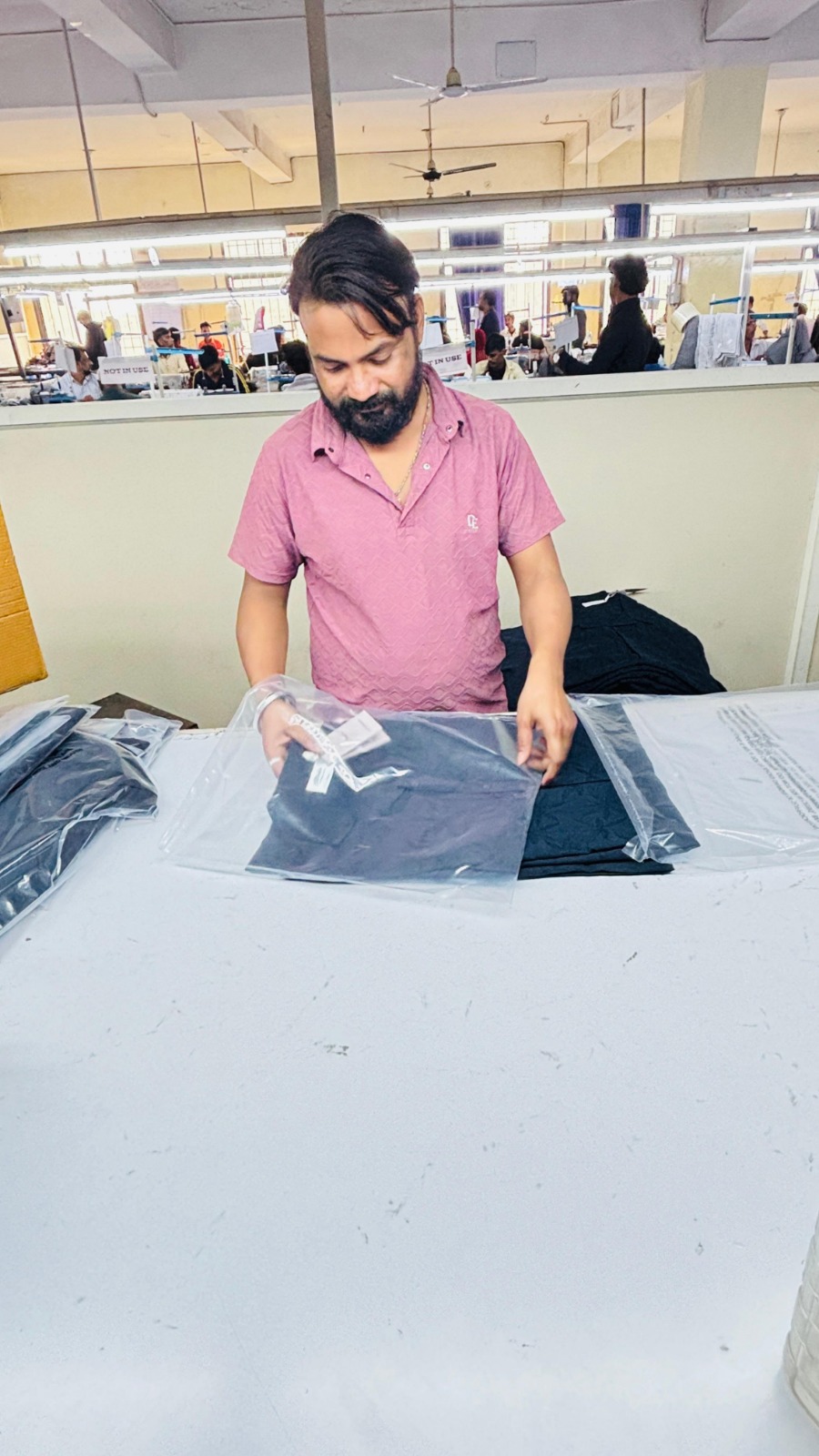
- Each garment is visually inspected
- Finishing quality is checked carefully
4. Use of Technology
Manufacturers like Pawan Fabtex integrate:
- CAD for pattern accuracy
- Automated cutting for precision
- ERP systems for tracking orders
Supporting Both Growing Brands and Established Businesses
A reliable garment manufacturer should be able to handle different types of clients.
For New & Growing Brands
- Ability to start with small batches
- Support in product development
- Flexibility in design changes
For Established Brands
- Capacity to handle large volumes
- Consistent quality across orders
- Reliable export processes
When India is the Right Choice (And When It’s Not)
Choose India if:
- You want to build a brand with custom designs
- You need flexibility in production
- You are planning to scale gradually
- You are targeting export markets
It may not be ideal if:
- You are only looking for the lowest possible cost
- You need highly specialized knitwear production
Quick Comparison
| Requirement | Best Option |
| Custom apparel | India |
| Knitwear bulk | Tiruppur |
| Lowest cost | Surat |
| Mixed sourcing | Delhi |
How to Avoid Common Manufacturing Mistakes
Before committing to bulk production:
- Always request a sample
- Physically check fabric quality
- Confirm delivery timelines clearly
- Start with a small batch
Trends in Garment Manufacturing (2026)
The industry is evolving in response to changing demand:
- Growth in private label brands
- Increased focus on sustainable fabrics
- Demand for smaller production runs
- Adoption of automation
- Expansion in export markets
Manufacturers like Pawan Fabtex are adapting by offering more flexible, scalable, and quality-driven production systems.
Conclusion
Choosing the right garment manufacturer is not just about cost, it’s about finding a partner who can deliver consistency, support growth, and adapt to your business needs.
When production is stable and predictable, everything else from marketing to scaling, becomes easier. That’s why many brands prefer working with structured manufacturers like Pawan Fabtex, who bring both process discipline and production flexibility to the table.
Faqs
What is the usual MOQ in India?
Most manufacturers start from 100–300 pieces, depending on the product.
Can I scale production later?
Yes, reliable manufacturers support both small and bulk orders.
Is India good for export manufacturing?
Yes, India has strong export infrastructure and compliance systems.
Do manufacturers support private label brands?
Yes, many offer complete support including design, sampling, and branding.