

- FAQ Questions
Everything You Need to Know About Pawan Fabtex
1. What services does Pawan Fabtex provide as an apparel manufacturer?
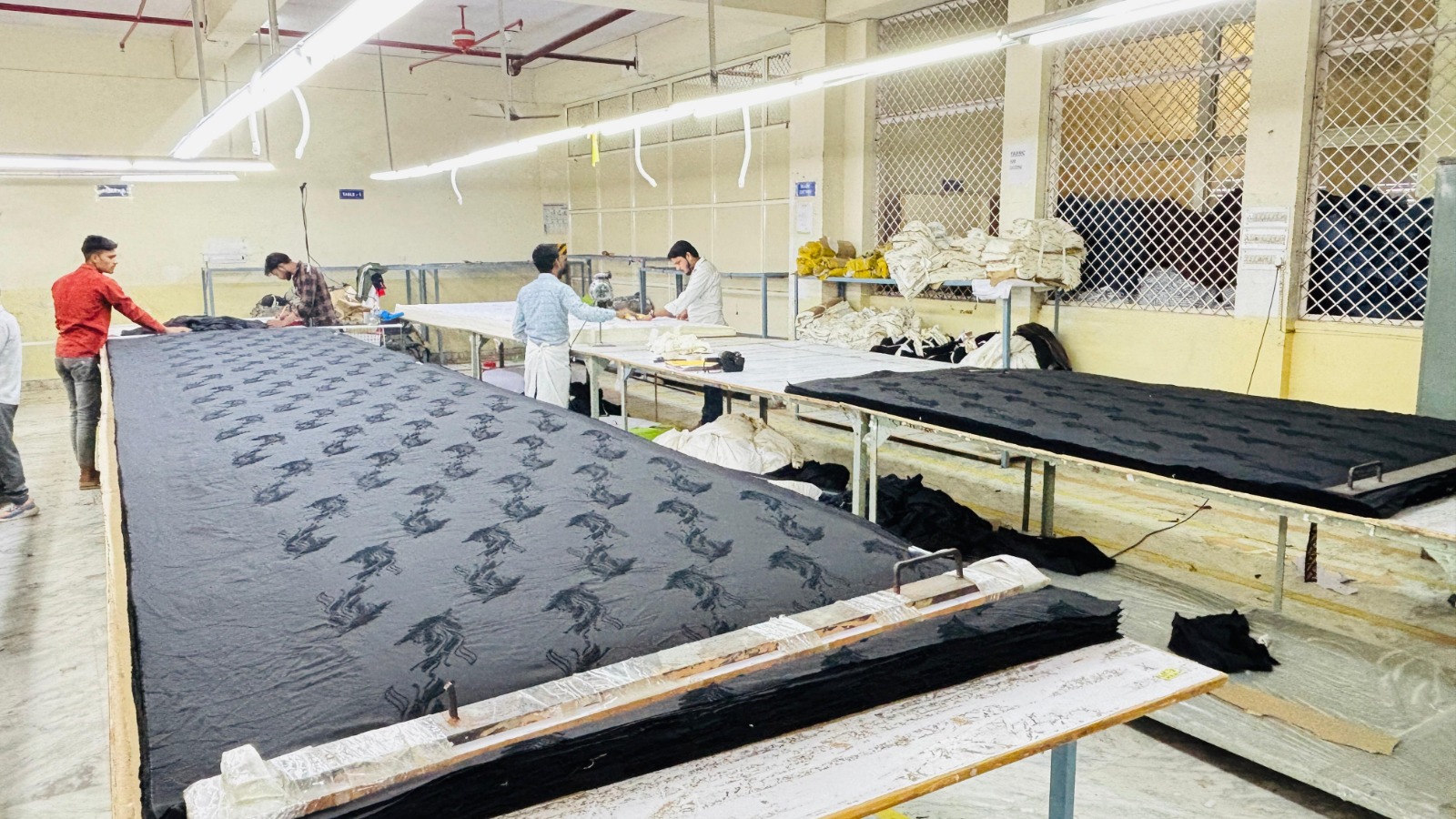
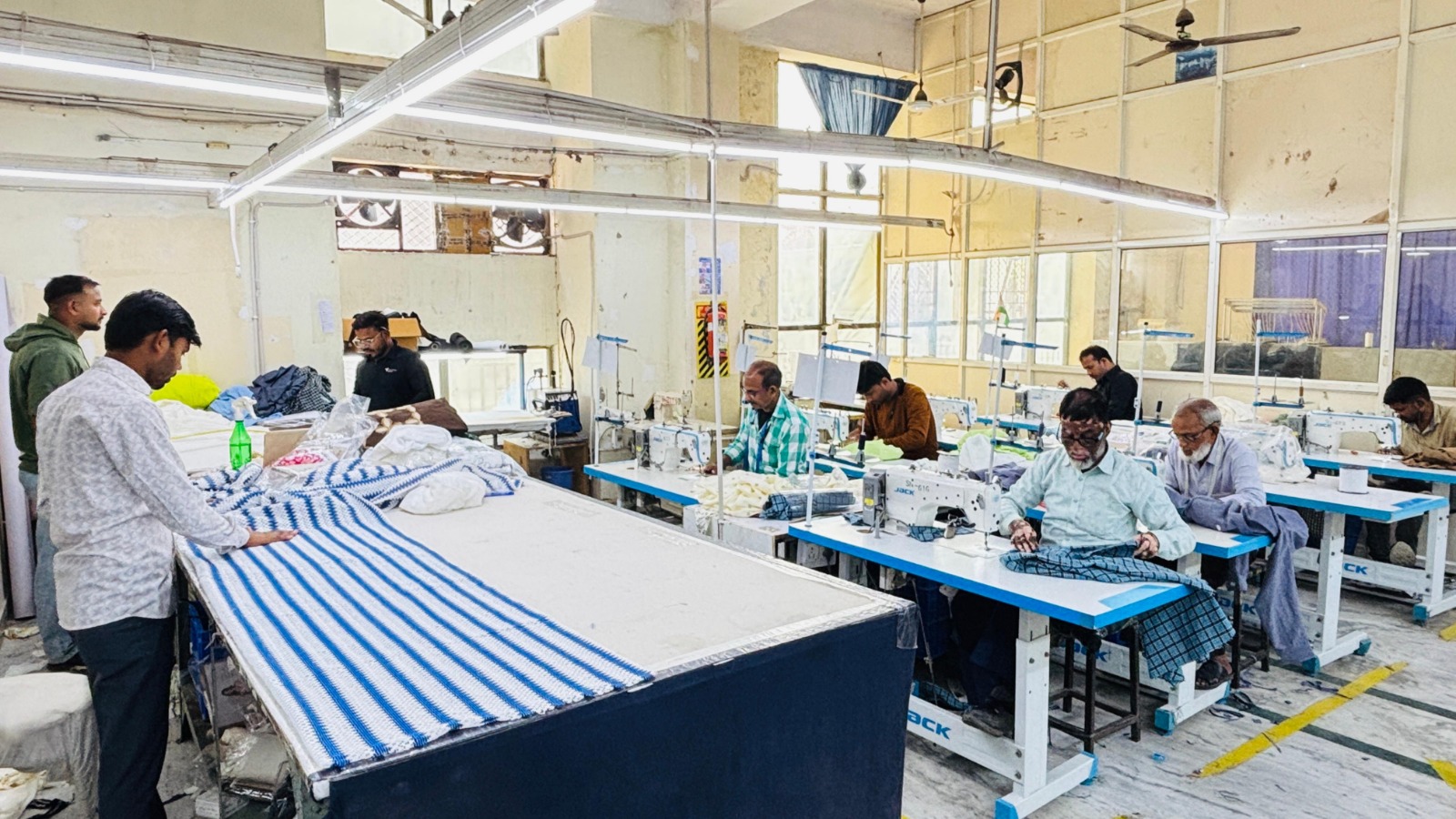
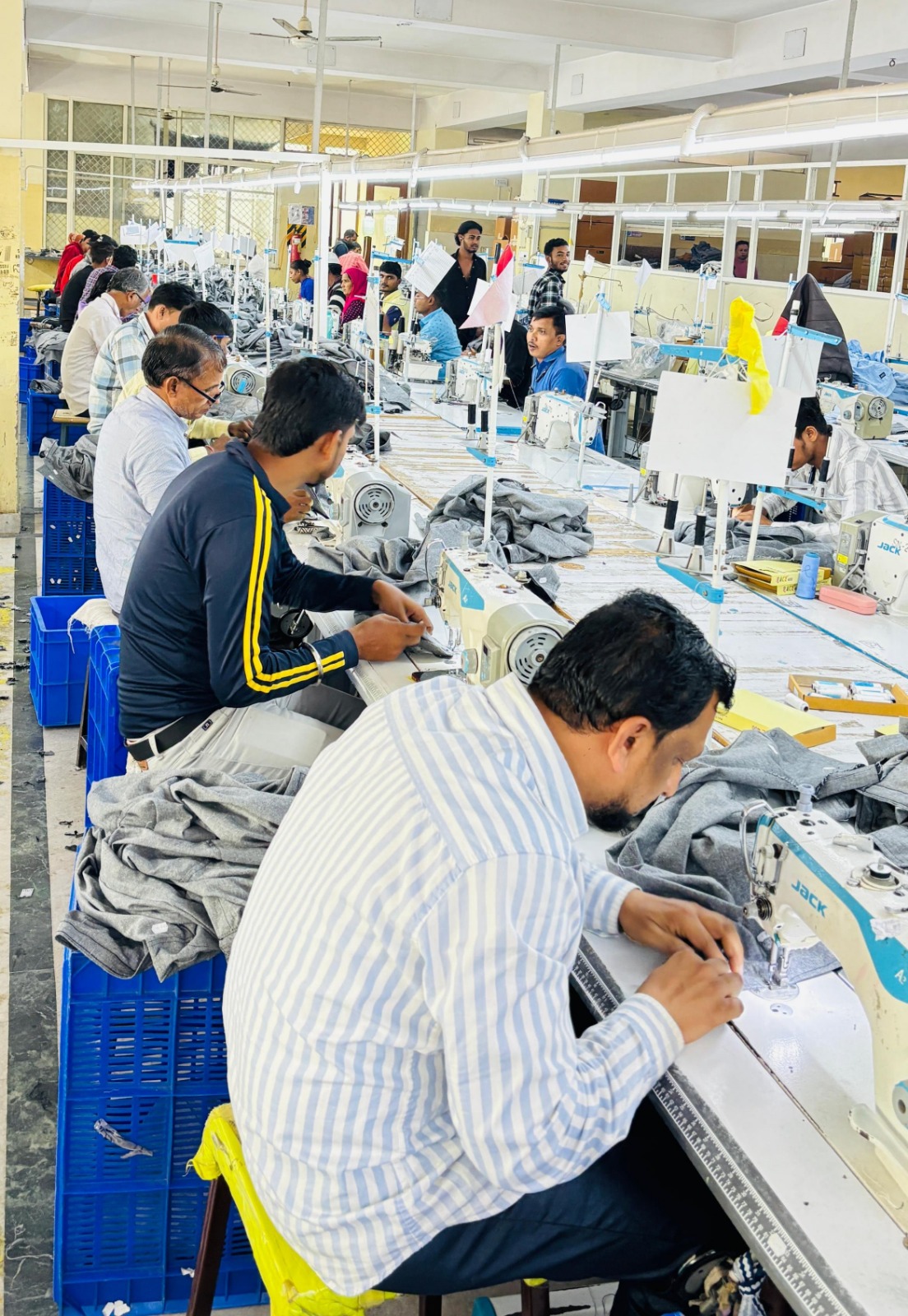
Pawan Fabtex offers end-to-end garment production including fabric sourcing, pattern making, CAD development, cutting, stitching, washing, finishing, quality checks, and export support for global buyers.
2. Does Pawan Fabtex manufacture for private-label and custom clothing brands?
Yes. We work with private-label brands and support custom designs, sampling, prints, embroidery, trims, and fabric choices based on your specific needs.
3. What is the production capacity for bulk orders?
Our manufacturing units are equipped to manage both high-volume and specialized production requirements. With advanced automated machinery and skilled teams, we ensure consistent quality and efficiency across multiple product categories, supported by a robust production capacity of 6.75 lakh pieces per month.
4. What types of apparel can be produced?
We manufacture Men’s wear, and Women’s wear and Kid’s wear including shirts, dresses, tops, trousers, skirts, polos, hoodies, jackets, nightwear, denims, rompers, and co-ord sets.
5. What does the quality control process include?
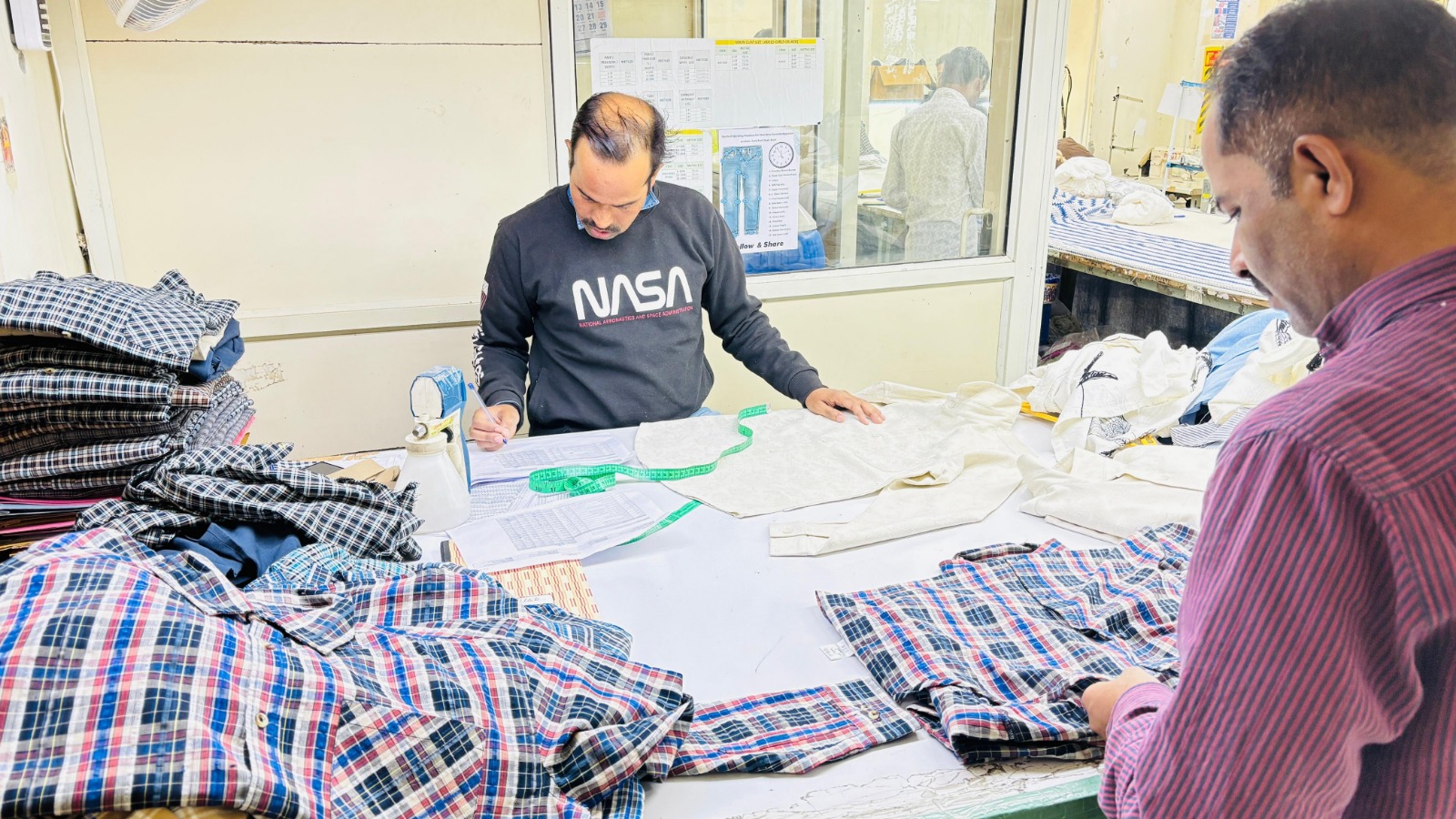
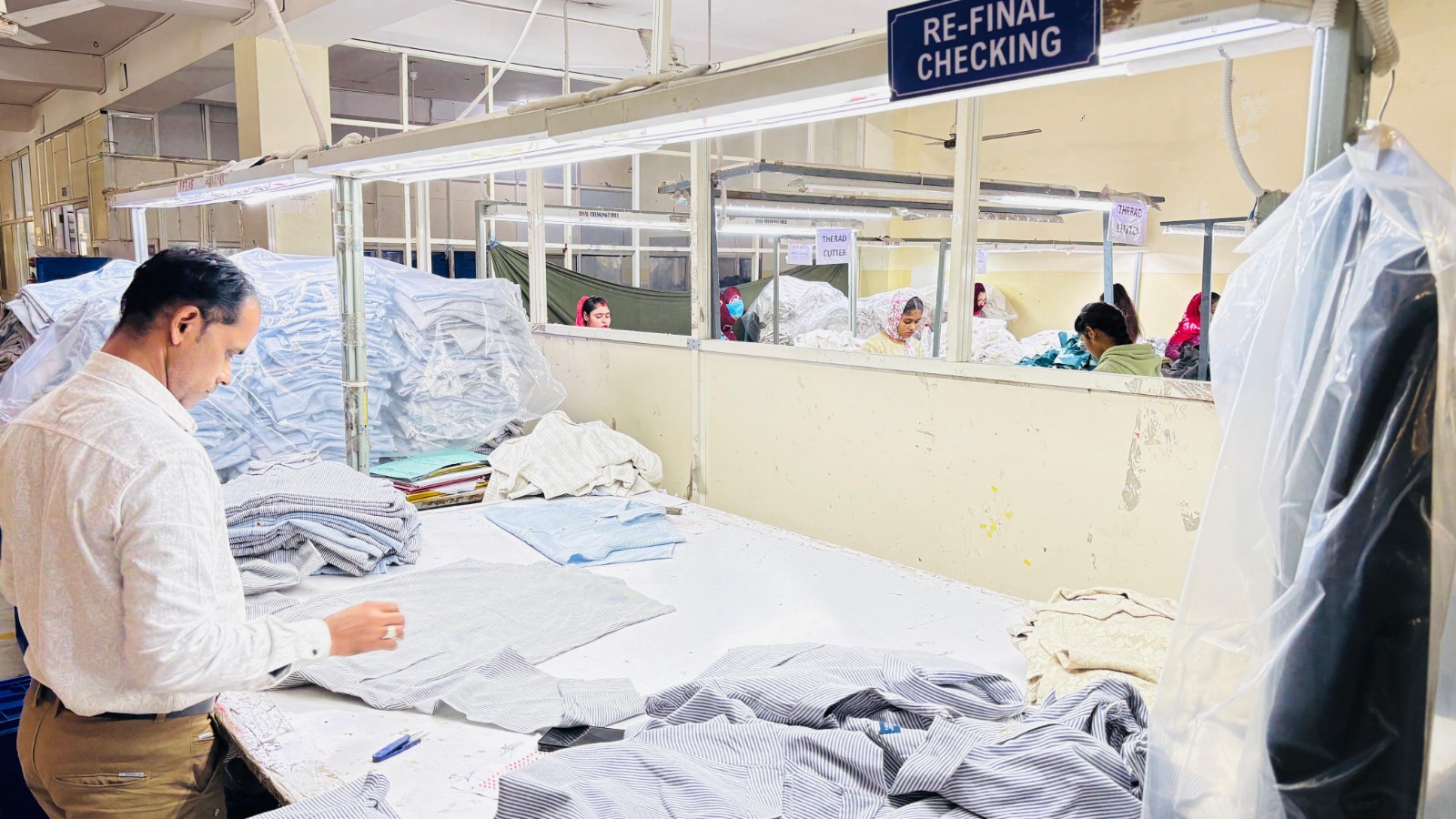
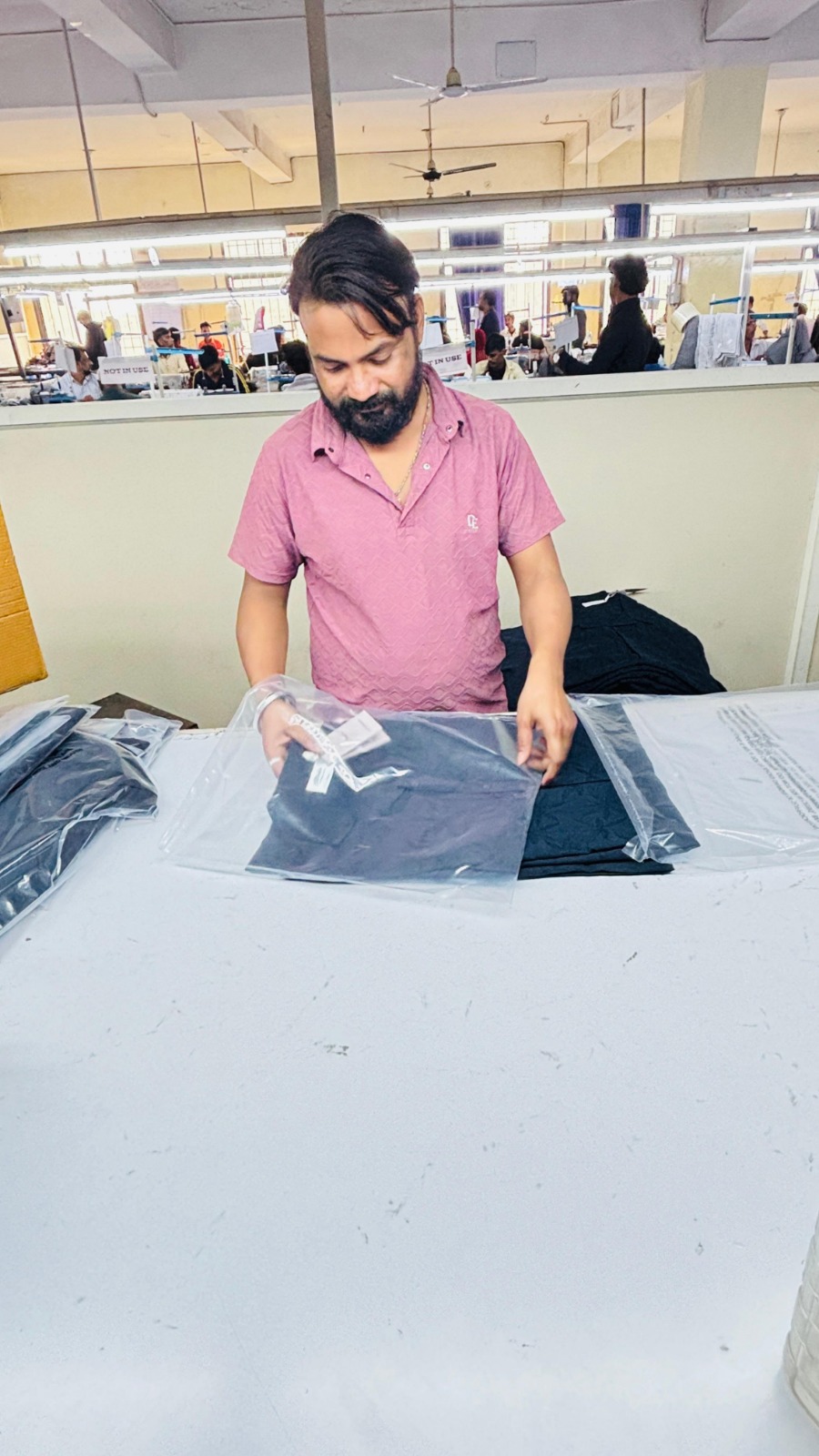
Every garment goes through fabric testing, in-line inspections, measurement checks, finishing audits, and final QC before packing. This ensures global quality and durability.
6. What should brands look for when choosing an apparel manufacturer?
Brands should evaluate the manufacturer’s experience, production capacity, quality standards, machinery, ethical practices, communication, and on-time delivery record before partnering.
7. How long does it usually take to manufacture clothing?
Production timelines depend on the complexity of the garment, quantity, fabric availability, and washing or printing requirements. On average, lead times range from 60-90 days.
8. What is the difference between sampling and bulk production?
Sampling involves creating a few prototype pieces to finalize fit, design, and fabric. Bulk production starts only after samples are approved ensuring consistency across all garments.
9. Why are fabric tests important before garment production?
Fabric testing helps check shrinkage, color fastness, strength, and comfort. This reduces defects, prevents returns, and ensures the garment maintains its quality after washing.
10. How does ethical manufacturing benefit brands?
Ethical manufacturing builds trust, improves product value, reduces risk, and supports safer working conditions. Today’s consumers prefer brands that follow fair, transparent, and sustainable practices.